How to Plan an Inclusive Cultural Gathering
Planning an inclusive cultural gathering is essential for fostering community engagement and celebrating diversity. This article will provide practical insights to help you create an atmosphere where everyone feels welcome and valued.
Understanding the Basics of Inclusivity
Inclusivity in cultural gatherings means ensuring that all individuals, regardless of their background, abilities, or preferences, can participate fully. According to research, inclusive events not only promote social cohesion but also enhance creativity and collective participation. Studies indicate that communities that prioritize inclusivity often see higher engagement rates and increased satisfaction among participants.
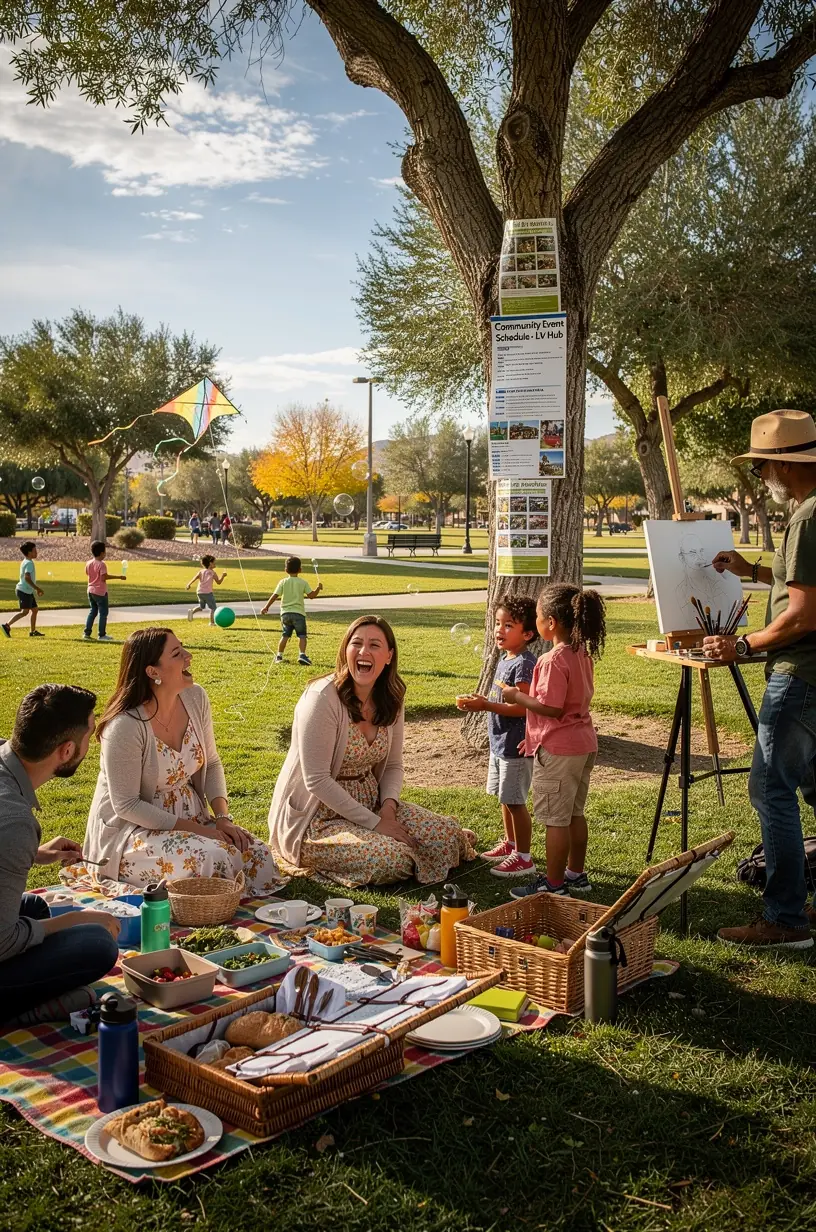
"Events that prioritize inclusivity can significantly enhance community engagement and satisfaction." - Community Engagement Research
Steps to Plan an Inclusive Gathering
Here are some essential steps to consider when planning your event:
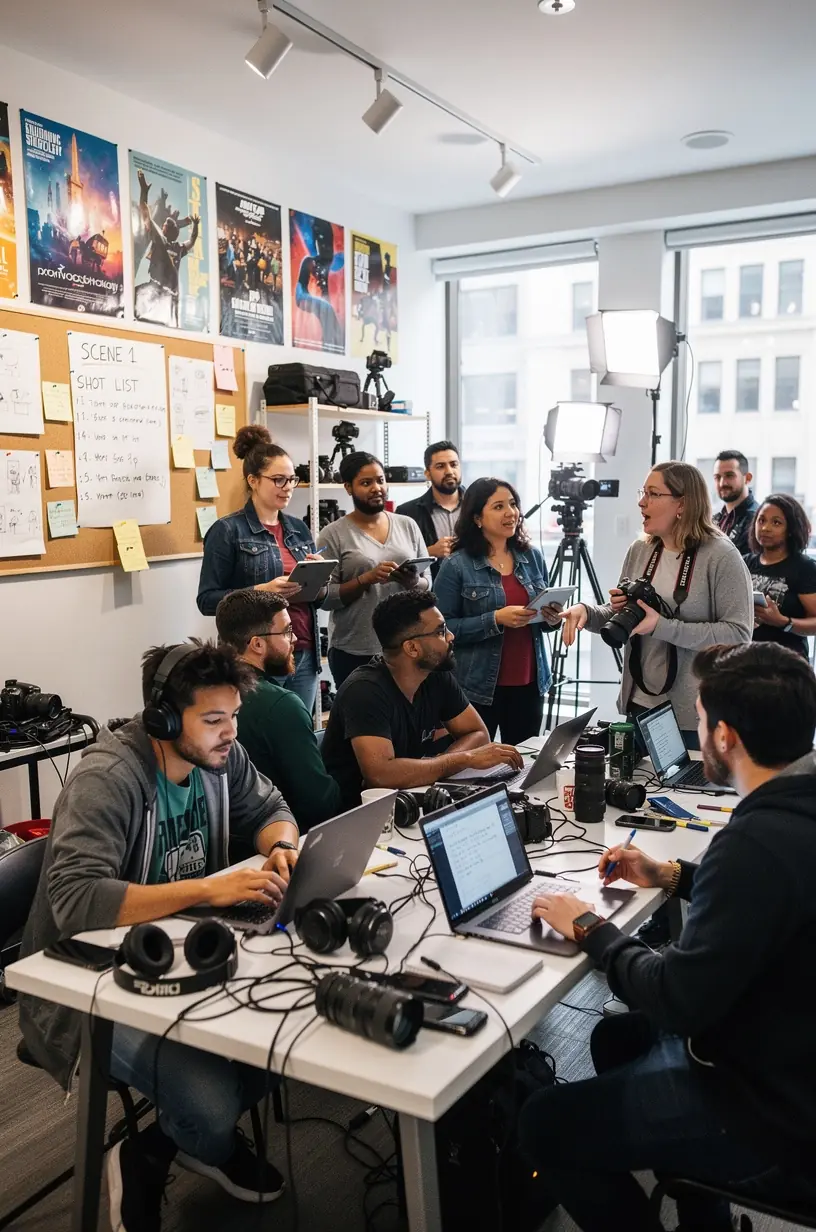
- Assess Your Audience: Understanding the demographics of your target audience is crucial. Surveys or informal discussions can help gather information about their needs and preferences. Experts recommend conducting this assessment at least 4-6 weeks before the event.
- Choose an Accessible Venue: Selecting a venue that accommodates individuals with disabilities is vital. Look for places with wheelchair access, accessible restrooms, and clear signage. This is typically regarded as a standard practice in event planning.
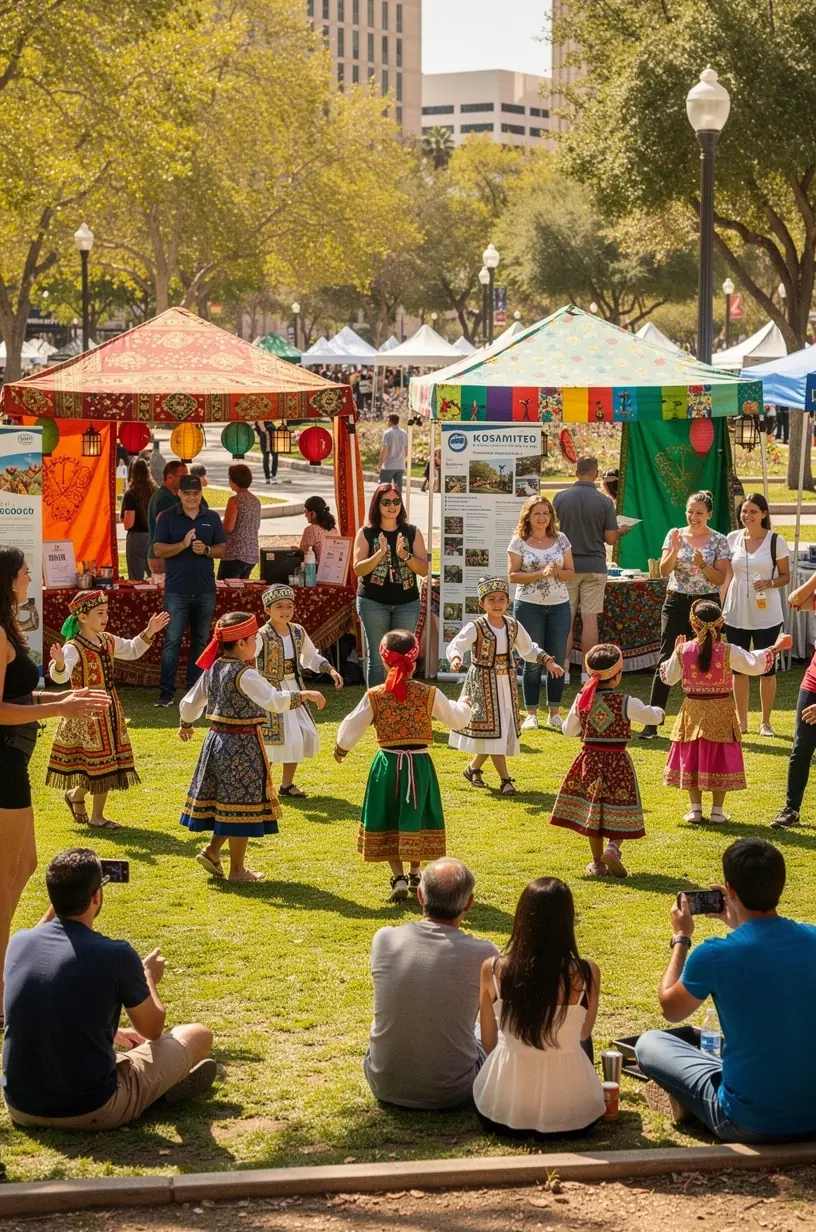
- Diverse Programming: Offer a variety of activities that cater to different interests. Incorporating cultural performances, interactive discussions, and social games can engage a broader audience. Many users report that diverse programming enhances the overall experience.
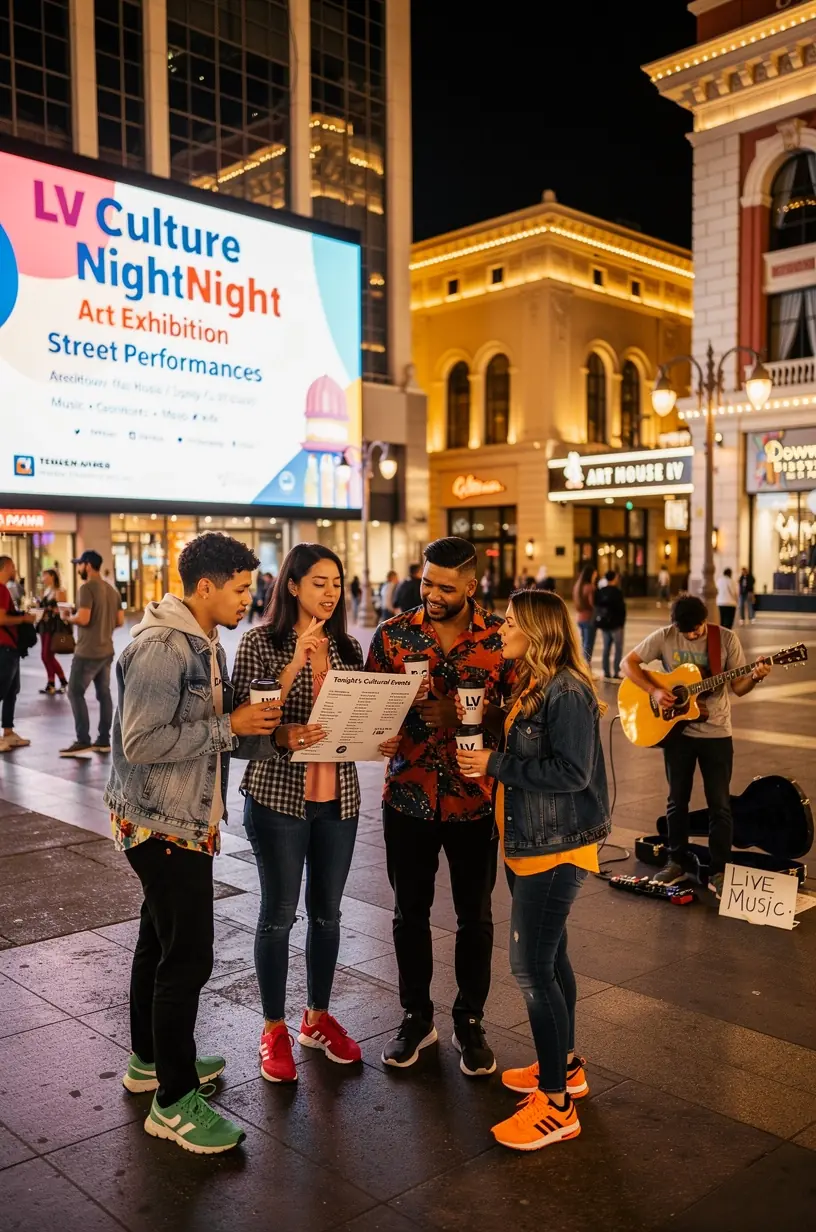
- Communication is Key: Clearly communicate details about the event. Utilize multiple channels, such as social media, community boards, and printed materials, to reach a wider audience. Research shows that clear communication can improve attendance by up to 30%.
- Gather Feedback: After the event, solicit feedback to understand what worked and what didn’t. This will help you learn and improve future gatherings. A follow-up survey can typically be sent within a week after the event.
Challenges to Consider
While planning an inclusive event can be rewarding, it does come with challenges. Time commitments are often required; for example, ensuring accessibility may take additional planning time and resources. Furthermore, it may involve a learning curve to effectively engage with diverse communities. It is essential to acknowledge that not every approach will work in every context; adaptability is key.
Conclusion
Creating an inclusive cultural gathering is a valuable pursuit that requires careful planning and consideration. By understanding your audience, prioritizing accessibility, and fostering diverse programming, you can create an engaging and welcoming environment. Remember, the goal is to ensure every participant feels valued and included, which typically leads to a richer community experience.