Creating Engaging Music Evenings: Key Considerations
Music evenings can serve as a vital component of cultural gatherings, fostering community spirit and social interaction. However, organizing an effective event requires careful planning and attention to detail. Here are some key considerations to ensure a successful music evening.
Understanding the Audience
Identifying your target audience is crucial. According to research, events that cater to the specific interests and demographics of attendees often see higher participation rates. For instance, understanding whether your audience prefers classical music, jazz, or contemporary genres can significantly shape your event's success.

"Tailoring the experience to your audience's preferences can increase engagement and enjoyment." - Event Planning Experts
Choosing the Right Venue
The venue plays a pivotal role in the atmosphere of a music evening. Many users report that environments that resonate with the musical theme enhance the overall experience. For example, an outdoor park may be preferred for casual acoustic performances, while a cozy café might be suitable for intimate jazz nights. When selecting a venue, consider:
- Accessibility: Ensure that the location is easy to reach and has adequate parking or public transportation options.
- Acoustics: The sound quality can greatly affect the audience's experience; venues with good acoustics are often recommended.
- Amenities: Consider whether the venue offers necessary facilities, such as restrooms and seating arrangements.
Engaging Performers
Choosing the right performers is essential for a successful evening. Industry experts suggest that local talent can add a community feel and attract attendees who want to support local artists. When selecting performers, keep the following in mind:
- Diversity: A varied lineup can appeal to a broader audience, including different genres and styles.
- Experience: Experienced performers often engage the audience more effectively, enhancing the overall atmosphere.
- Promotion: Collaborating with artists on promotional activities can boost event visibility and turnout.
Planning the Schedule
A well-structured schedule can significantly impact the flow of the evening. Experts recommend allowing ample time between performances for transitions and audience interaction. Typically, a well-paced event includes:
- Opening act to warm up the audience
- Main performances spaced out with breaks for mingling
- Interactive segments, such as audience participation, to enhance engagement
Promotion and Marketing
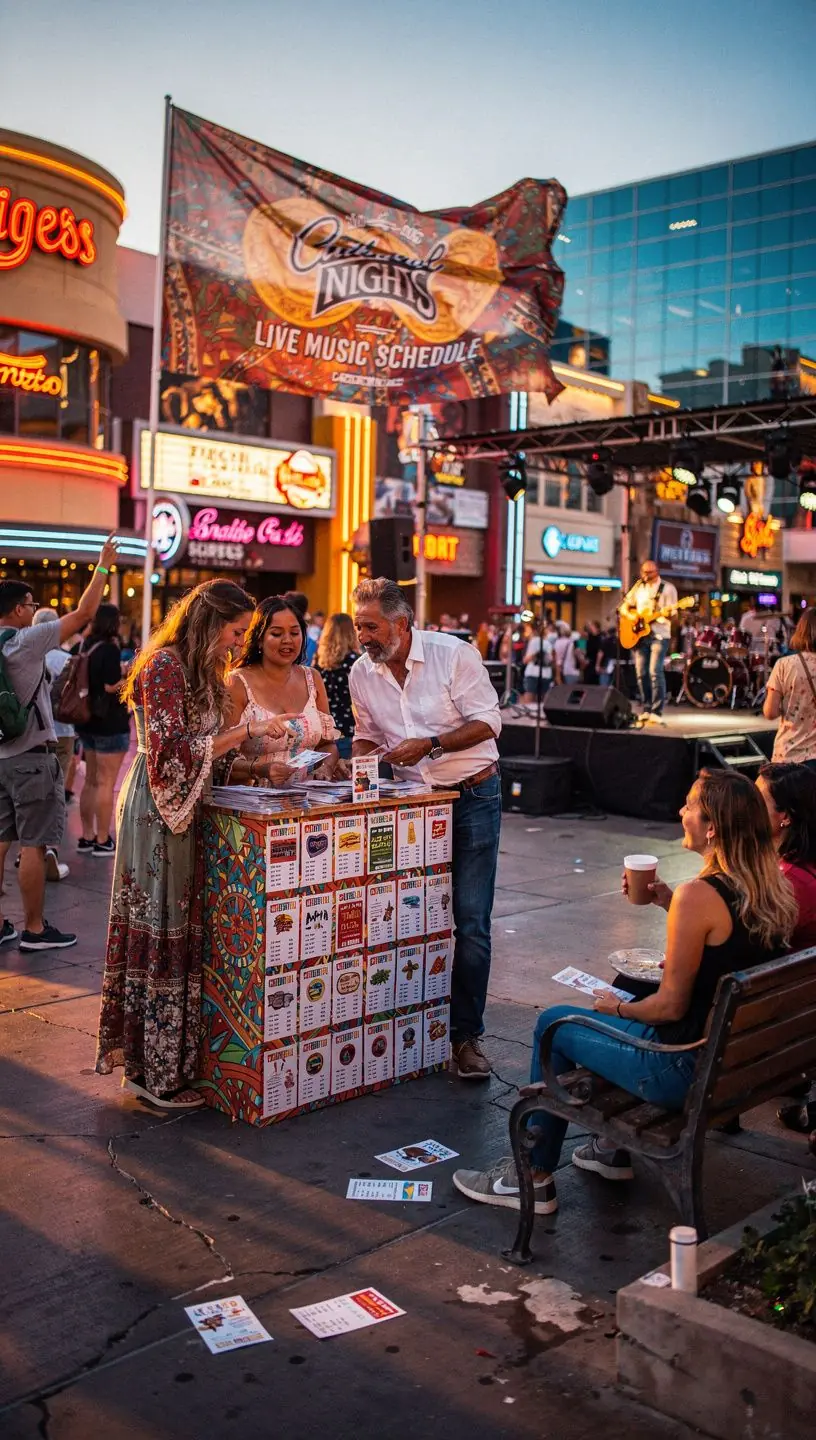
Effective promotion is crucial for attracting attendees. Utilize various channels, such as social media, local community boards, and printed schedules, to reach your audience. Research indicates that events with a robust marketing strategy can see attendance increases of up to 50% compared to those with minimal promotion.
Conclusion
Creating engaging music evenings requires thoughtful planning, from understanding your audience to choosing the right performers and venue. While every event will have its unique challenges, following these key considerations can help enhance the likelihood of a successful gathering. By prioritizing community engagement and artistic expression, you are laying the groundwork for memorable experiences that resonate with your audience.