The Impact of Local Events on City Identity
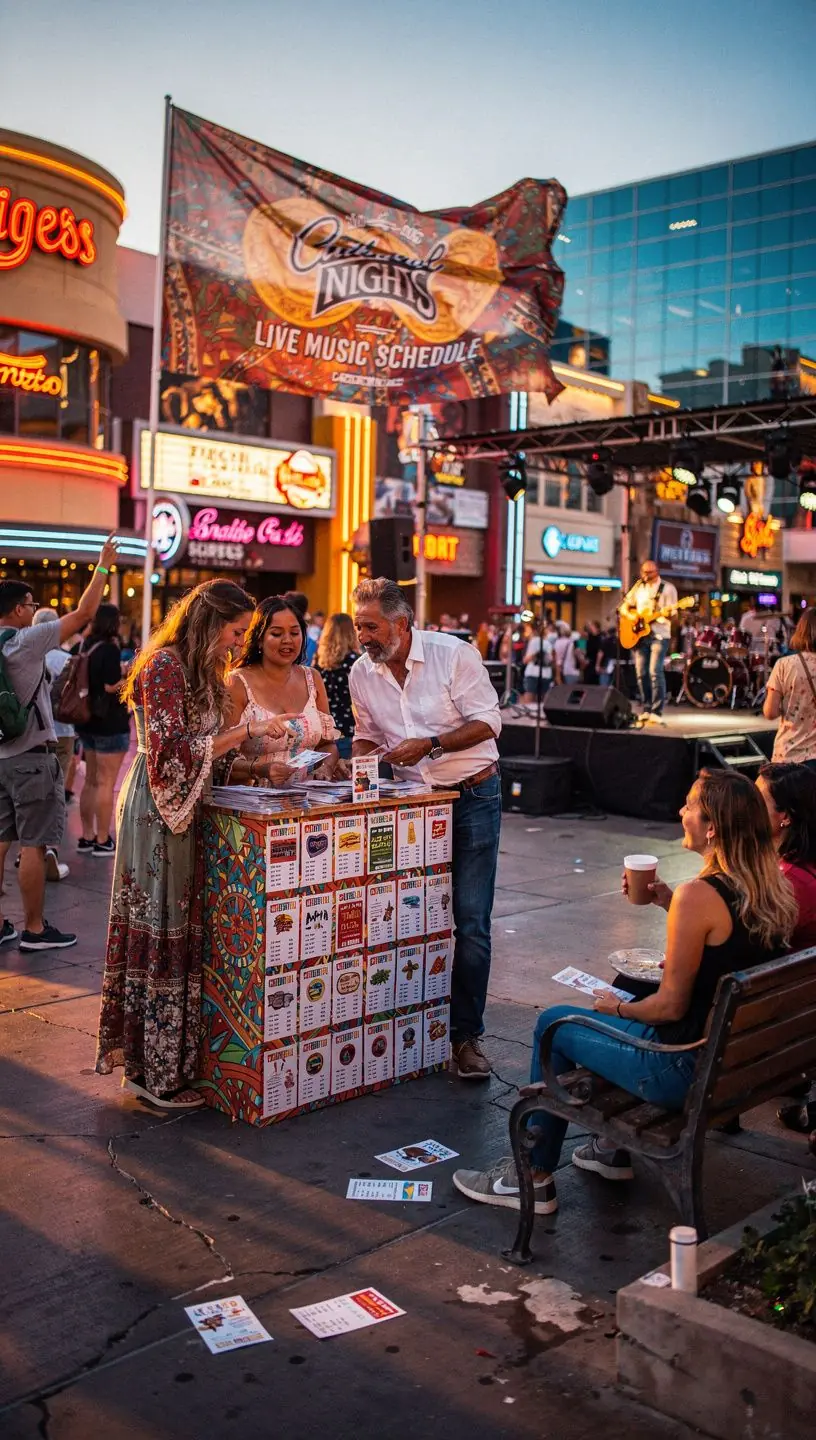
Local events serve as more than just entertainment; they often play a crucial role in shaping the identity of a city. In this article, we will explore the multifaceted impact of cultural gatherings, music evenings, and social game clubs on community cohesion and city identity.
Understanding the Importance of Local Events
Local events contribute significantly to a city’s identity by fostering community spirit and social connections. According to research conducted by the National Endowment for the Arts, communities that engage in cultural activities report higher levels of social cohesion and trust among residents. This is particularly evident in cities where events are organized regularly, bringing together diverse groups of people.
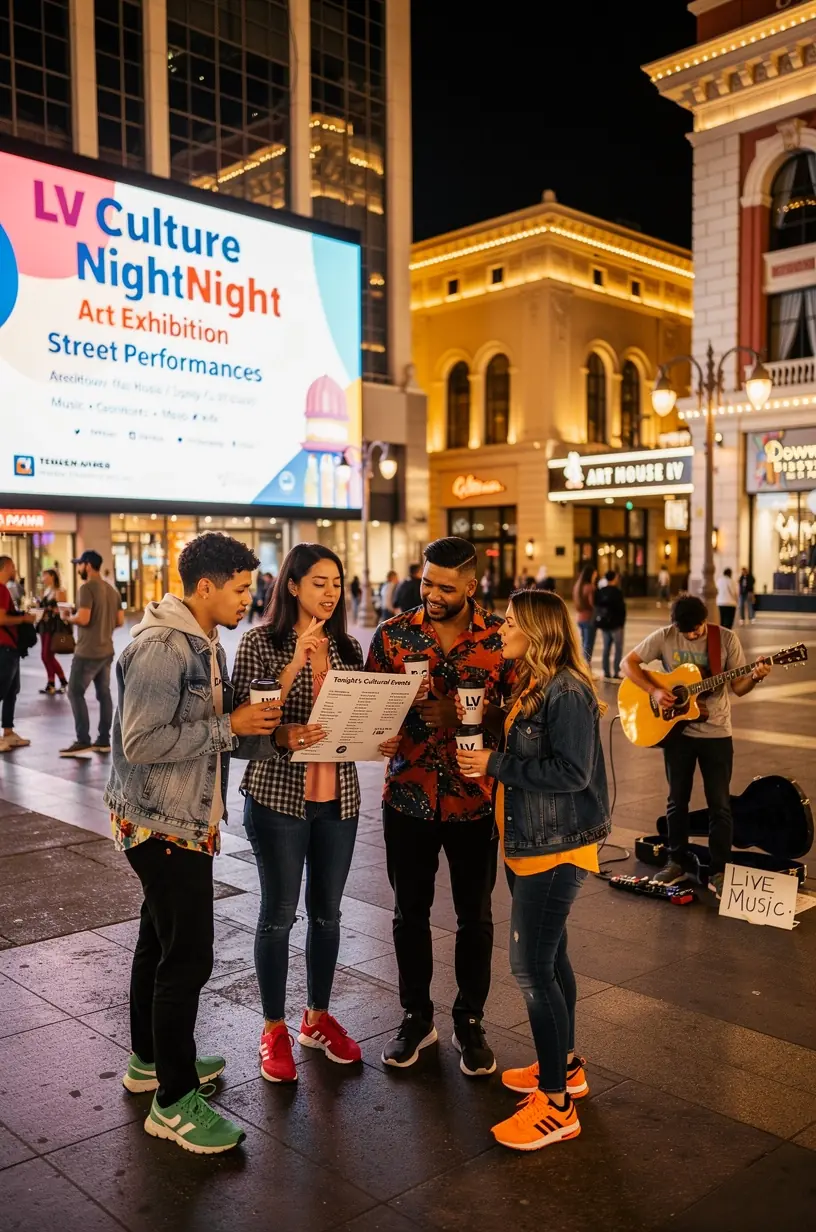
"Community gatherings enhance the social fabric, making neighborhoods more vibrant and engaged." – Urban Sociologist
How Events Shape City Identity
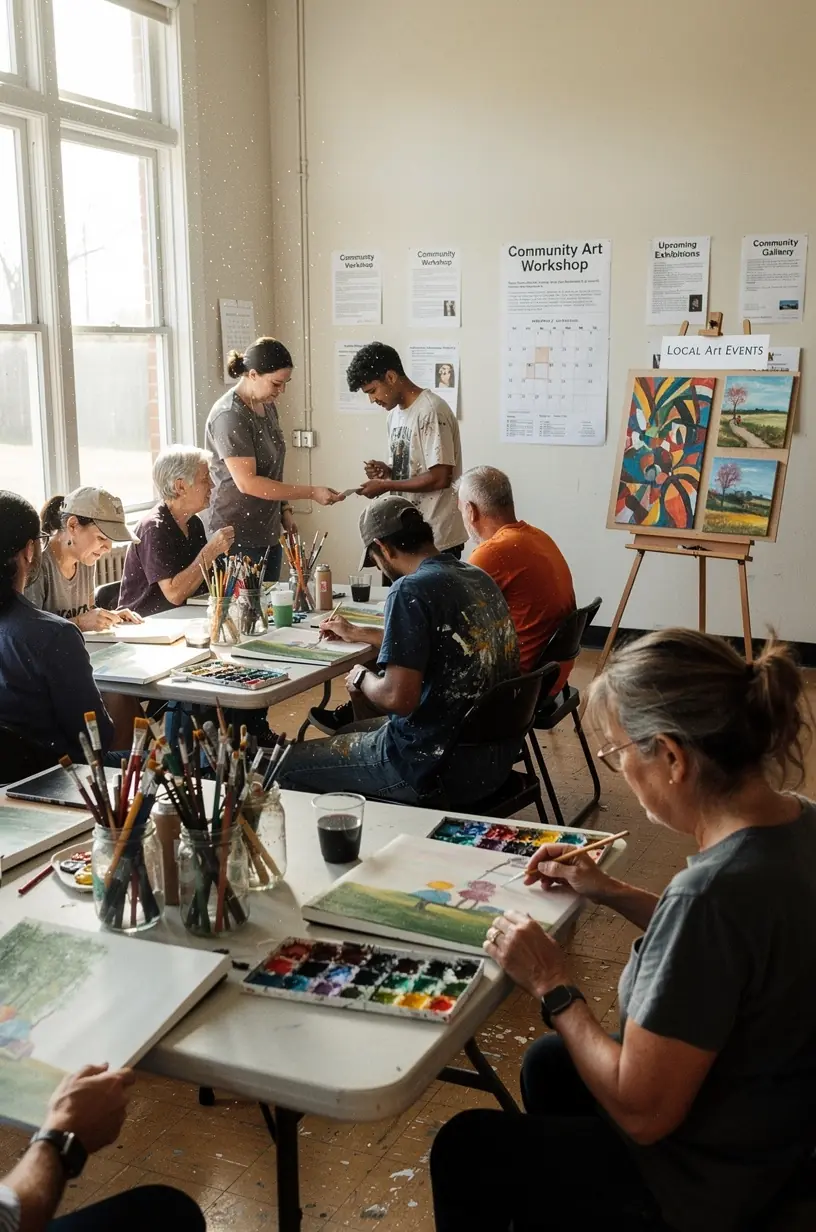
Events often reflect the unique characteristics and values of a city. They provide a platform for local artists, musicians, and craftsmen to showcase their talents, which can enhance a city's cultural heritage. Many cities implement annual festivals or events that celebrate local traditions, thereby reinforcing their historical narratives and community pride.
Key Benefits of Local Events
- Community Engagement: Events create opportunities for residents to participate in activities that cultivate a sense of belonging and neighborhood pride.
- Economic Growth: Local gatherings can boost the economy by attracting visitors, which supports local businesses and generates revenue.
- Cultural Exchange: Diverse events often encourage cultural exchange, promoting understanding and acceptance among different community groups.
Challenges and Considerations
While the benefits of local events are substantial, they are not without challenges. Organizing events typically requires significant planning and resources, which can pose barriers for smaller communities or organizations. Furthermore, events may not reach everyone equally; it’s essential to ensure inclusivity so that all community members can participate.
Realistic Expectations
Organizing a successful event can take several months of planning and collaboration, often requiring the involvement of local stakeholders, businesses, and volunteers. For many cities, it’s crucial to start organizing events that reflect the community’s interests and values, which can typically take 6-12 months of careful planning and outreach.
Conclusion
Local events have a profound impact on city identity by enhancing community bonds, stimulating economic growth, and promoting cultural exchange. While there are challenges to organizing such events, the potential benefits often outweigh the difficulties when approached thoughtfully. By focusing on inclusivity and community engagement, cities can cultivate identities that reflect their unique histories and diverse populations.
Learn More