Understanding the Logistics of Event Scheduling
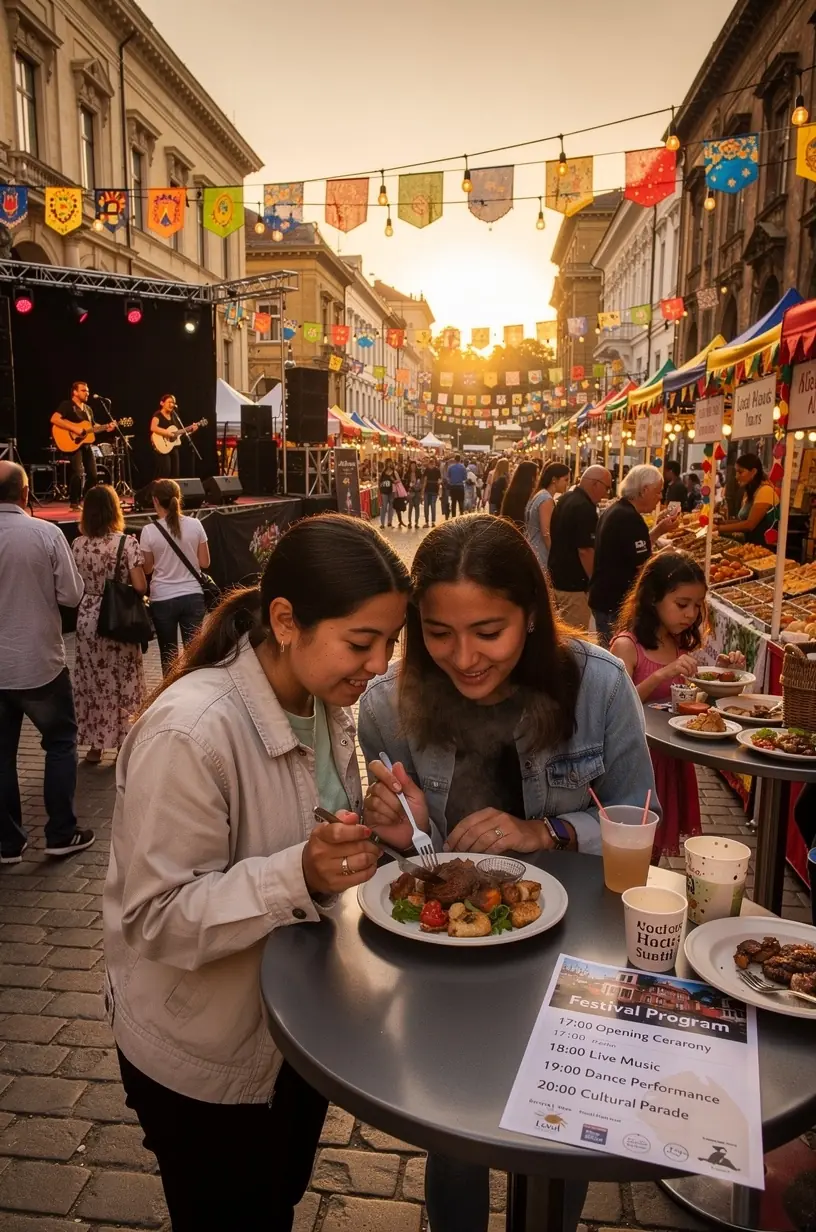
Event scheduling is a vital aspect of organizing cultural gatherings and social events. Proper logistics can significantly enhance the attendee experience and ensure a smooth operation. This article explores the essentials of event scheduling, providing practical insights and acknowledging the challenges involved.
Understanding the Basics
Event scheduling involves coordinating various elements, including venue selection, timing, and resource allocation. According to industry experts, an effective scheduling process can often improve participation rates and overall satisfaction. This is crucial because many users report that well-timed events can lead to higher engagement and attendance.

"A well-organized event can create lasting memories and foster community engagement."
Key Factors in Event Scheduling
- Timeliness: Scheduling events too close together can lead to conflicts and lower attendance. Research indicates that spacing events out appropriately can enhance participant turnout.
- Resource Management: Effective scheduling involves not just timing but also ensuring that venues and materials are available. This often requires at least a few weeks of planning.
- Audience Consideration: Understanding the target demographic is critical. Experts recommend gathering feedback from past events to tailor future schedules to audience preferences.
Challenges and Limitations
While planning events, it’s essential to acknowledge potential challenges. For instance, last-minute changes can disrupt logistics and lead to dissatisfaction. According to studies, events that fail to adapt to unexpected circumstances often see a drop in attendee satisfaction.
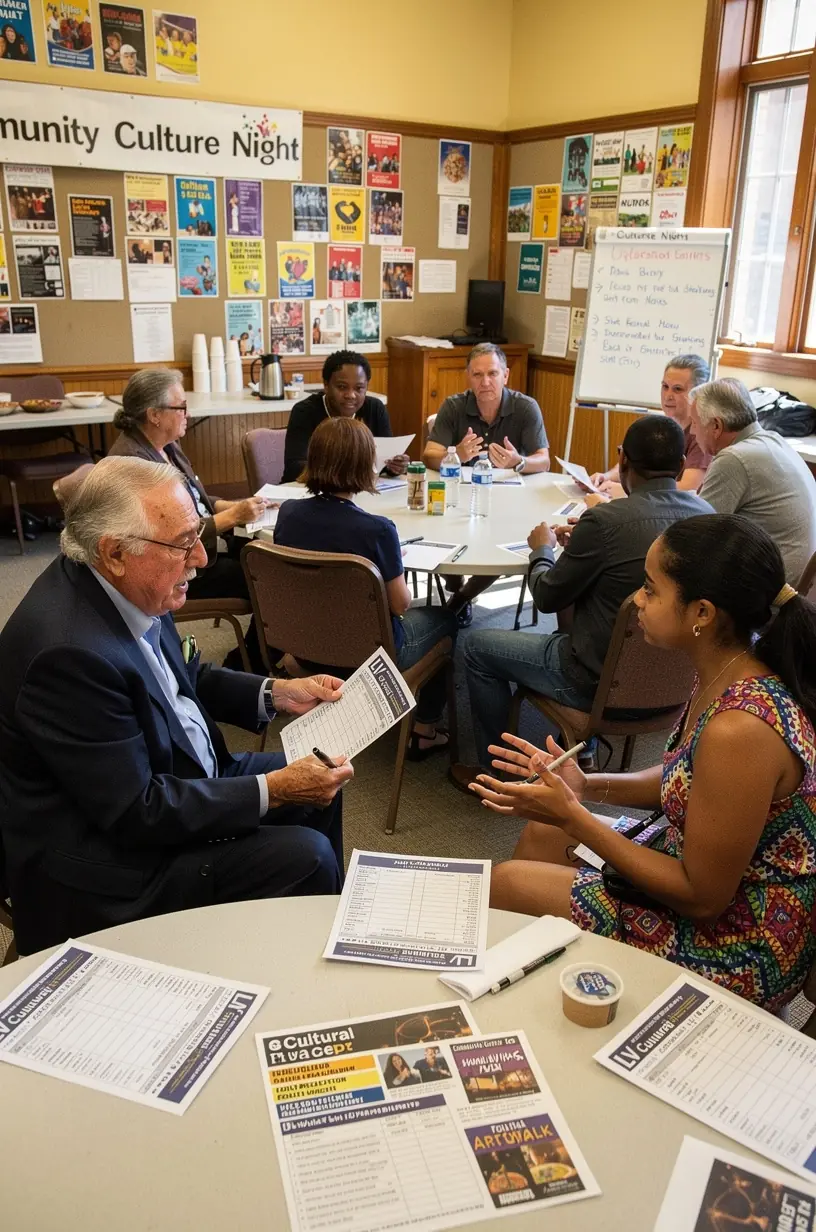
Additionally, scheduling often requires considerable time and effort, typically taking about 2-4 weeks for comprehensive planning. It is advisable to involve team members early in the process to share the workload and enhance creativity.
Practical Steps to Effective Scheduling
- Set Clear Objectives: Define what you want to achieve with your event. This helps in determining the timing and resources needed.
- Conduct Research: Look into similar events to understand what works well and what doesn’t. Research indicates that learning from past successes and failures can inform better scheduling decisions.
- Engage with the Community: Solicit input from potential attendees to gauge their availability and preferences. This engagement can help tailor the event to suit community interests.
Conclusion
Understanding the logistics of event scheduling is crucial for anyone involved in organizing cultural gatherings and social activities. By prioritizing planning and considering audience needs, event organizers can enhance participation and satisfaction. Remember, while challenges may arise, effective scheduling can significantly contribute to a successful event experience.