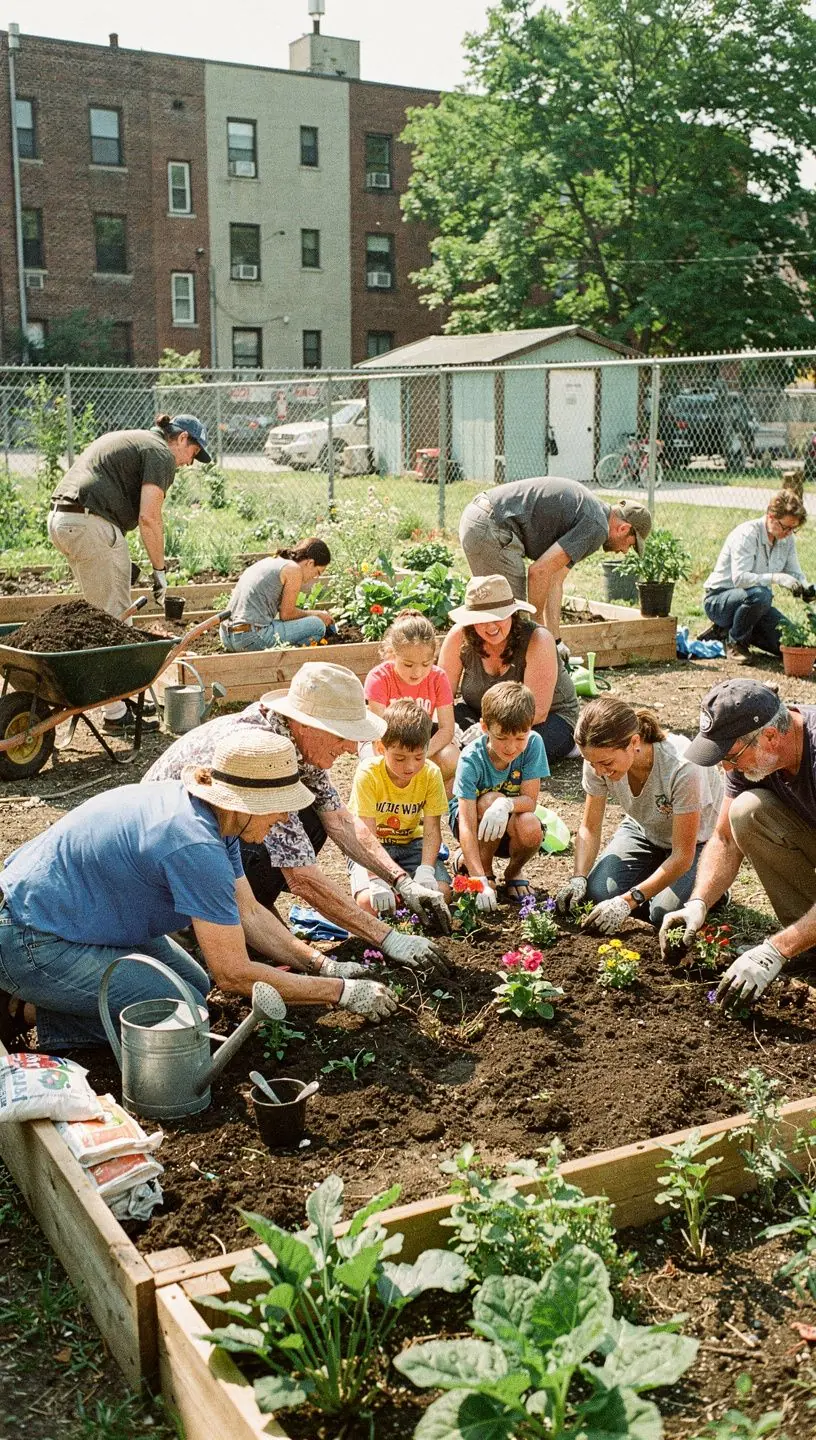
Exploring the Role of Volunteers in City Events
Volunteers are the backbone of many city events, contributing their time and skills to create memorable experiences for the community. Understanding their role helps us appreciate the complexities of organizing cultural gatherings, music evenings, and social game clubs.
Understanding the Basics
City events often rely on volunteers to manage various tasks, from logistics to guest relations. According to a study by the National Conference on Citizenship, volunteerism can increase community engagement and social cohesion. This is particularly important in urban areas where diverse populations can benefit from shared experiences.
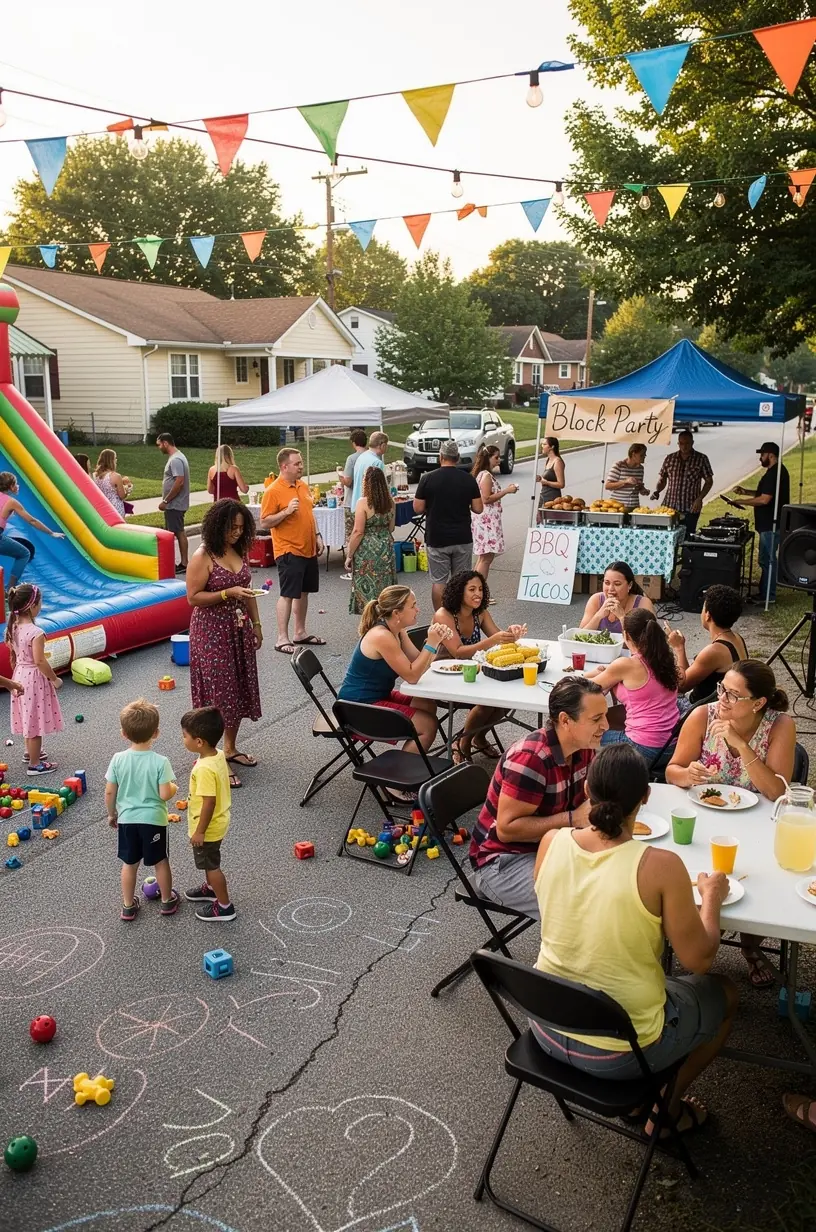
"Volunteers not only enhance the events but also foster a sense of belonging and community spirit." — Community Development Expert
The Importance of Volunteers
The role of volunteers in city events is multifaceted. They often:
- Provide Essential Support: Volunteers can help set up venues, manage registrations, and guide attendees. This support is often crucial, especially during larger events.
- Enhance Experience: Volunteers create a welcoming environment by engaging with guests and ensuring their needs are met. Many attendees report higher satisfaction levels when interacting with enthusiastic volunteers.
- Build Community Connections: Volunteers can network with fellow community members, building relationships that extend beyond the event itself. According to research, strong community ties can lead to greater civic participation.
Challenges and Realistic Expectations
While volunteers are invaluable, organizing a successful volunteer program requires understanding and planning:
- Time Commitment: Training volunteers typically takes 2-4 weeks, depending on the complexity of the tasks. This preparation is vital to ensure they feel confident in their roles.
- Effort Involved: Volunteers must be dedicated and willing to learn. Those with prior experience in event management may adapt more quickly, but many find the learning curve manageable with proper guidance.
- Expectations: It's important to communicate clearly what is expected from volunteers. In most cases, volunteers are motivated by the desire to contribute, but they also appreciate knowing how their efforts impact the success of the event.
How to Recruit and Retain Volunteers
Many organizations recommend several strategies for effective volunteer recruitment and retention:
- Create Clear Roles: Define what volunteers will be doing. This transparency can help attract individuals who feel their skills align with the tasks at hand.
- Offer Training: Providing training sessions can equip volunteers with the necessary skills and knowledge. This also fosters a sense of belonging and community among volunteers.
- Recognize Contributions: Acknowledgment of volunteers' efforts, whether through public appreciation or small rewards, can significantly enhance their experience and commitment.
Conclusion
Volunteers play an essential role in the success of city events by providing support, enhancing guest experiences, and fostering community connections. Understanding the importance of their contributions and the effort required in organizing a robust volunteer program is crucial. By creating clear expectations and recognizing their efforts, cities can build a sustainable volunteer base that enriches community life.
Learn More