How Cultural Gatherings Strengthen Community Ties
Cultural gatherings serve as a vital link that promotes social cohesion within communities. These events, often seen in cities across Latvia, foster connections among residents while enhancing cultural appreciation. This article will explore how cultural gatherings strengthen community ties and the benefits they provide.
Understanding Community Dynamics
Community dynamics are often influenced by social interactions and shared experiences. According to research conducted by the National Endowment for the Arts, communities that engage in cultural activities see enhanced social bonds and improved quality of life. This is because shared experiences in cultural settings can lead to stronger interpersonal relationships.
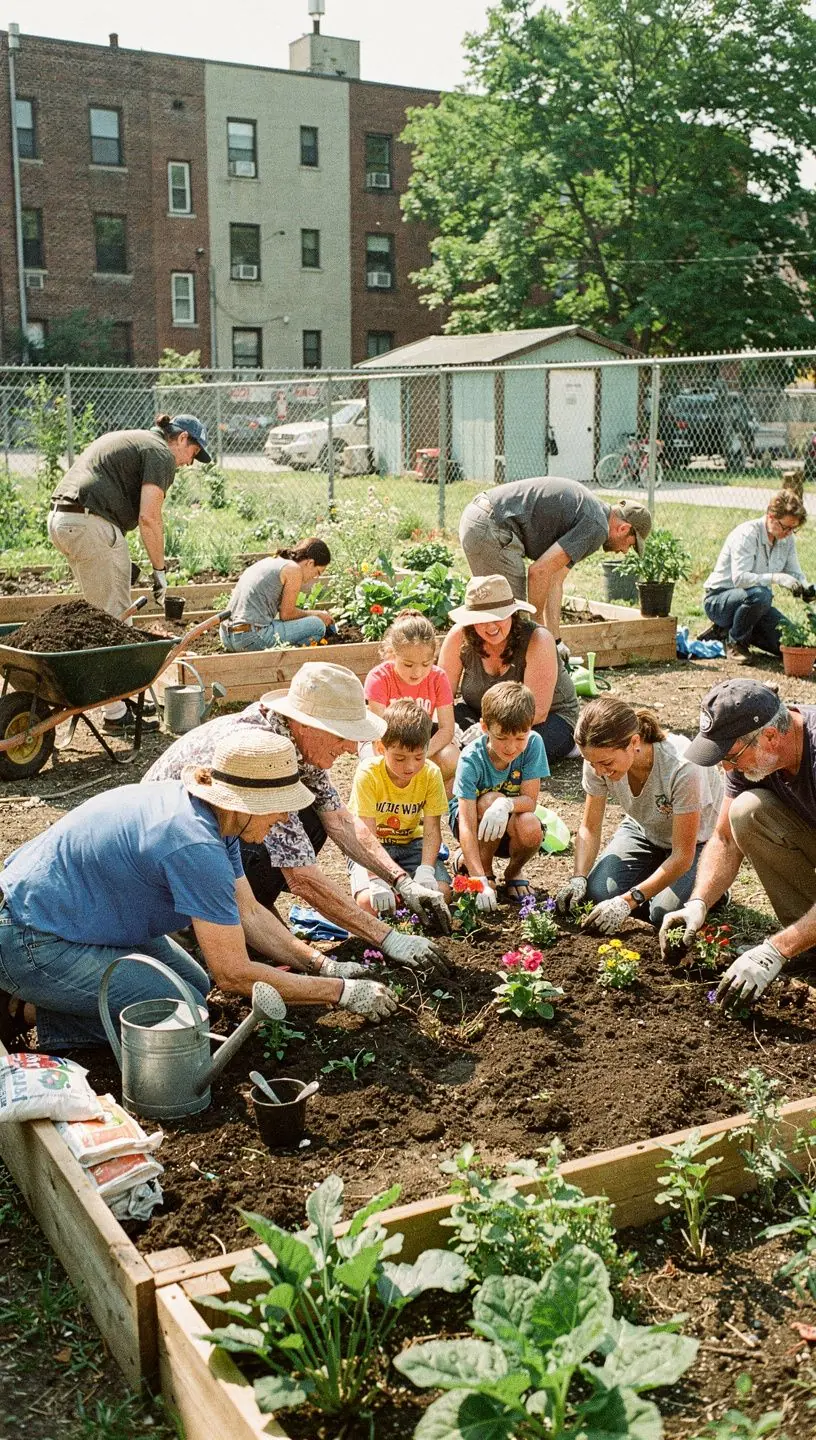
"Cultural events not only bring people together but also foster a sense of belonging and shared identity."
The Benefits of Cultural Gatherings
Cultural gatherings typically offer several advantages that can help strengthen community ties:
- Fostering Inclusivity: Events such as music evenings and cultural festivals often welcome diverse groups. This inclusivity encourages participation from various demographics, promoting understanding and respect among residents.
- Creating Opportunities for Networking: Social game clubs and cultural meetups provide informal settings where individuals can network, share ideas, and explore common interests. Many users report that they have formed lasting friendships through these interactions.
- Supporting Local Artists: By hosting cultural events, communities can showcase local talent. This not only provides exposure for artists but also supports the local economy. Experts recommend that communities invest in their local artists to enhance regional culture.
How to Organize Effective Cultural Gatherings
Organizing a successful cultural gathering requires careful planning and community involvement. Here’s a step-by-step methodology:
- Identify Community Interests: Conduct surveys or informal discussions to understand what types of events resonate with community members. This ensures that gatherings are relevant and engaging.
- Collaborate with Local Organizations: Partnering with local cultural institutions can enhance credibility and resource availability. Collaboration can also attract a wider audience.
- Promote Events Effectively: Use social media, local newspapers, and community boards to spread the word. This typically involves regular updates leading up to the event to maintain engagement.
Challenges and Considerations
While cultural gatherings offer many benefits, there are certain challenges to consider:
- Resource Limitations: Organizing events may require funding, volunteer support, and time. It’s important to plan realistically regarding available resources.
- Engaging the Community: In some cases, it may be challenging to get community members to participate. Efforts to understand barriers to participation can help in addressing these issues.
- Weather and External Factors: Outdoor events, in particular, can be affected by weather conditions. Having contingency plans is advisable to ensure that gatherings can proceed as intended.
Conclusion
Cultural gatherings play a significant role in strengthening community ties by fostering inclusivity, creating networking opportunities, and supporting local culture. While organizing such events may involve challenges, the potential benefits to the community are substantial. By prioritizing community involvement and effective planning, cultural events can become a cornerstone of social interaction and cohesion, enhancing the quality of life for all residents.
Learn More